
On this page
Table of contents

If you want the bigger picture of what the electrical trade teaches beyond technical skills, start here: 🔹 “What the Electrical Trade Teaches You: Discipline, Problem-Solving, and Real-World Growth”
After that, this story will hit deeper.
NBA trade season just started, and I’m thinking about one thing:
Did you really put the right people in the right roles?
The right people plus the right roles – that’s the real core of good team configuration.
Every NBA trade season, your feed fills up with breakdowns of team configuration, salary caps, starting lineups: Who should be traded? Which team overpaid? Who actually upgraded their roster?
But if you’re leading a crew at work or running projects on-site, all those headlines are pointing toward the same lesson about real-world team configuration:
“Choosing the right people, putting them in the right roles, and making your move at the right time – that’s what a real manager does when configuring a team.”
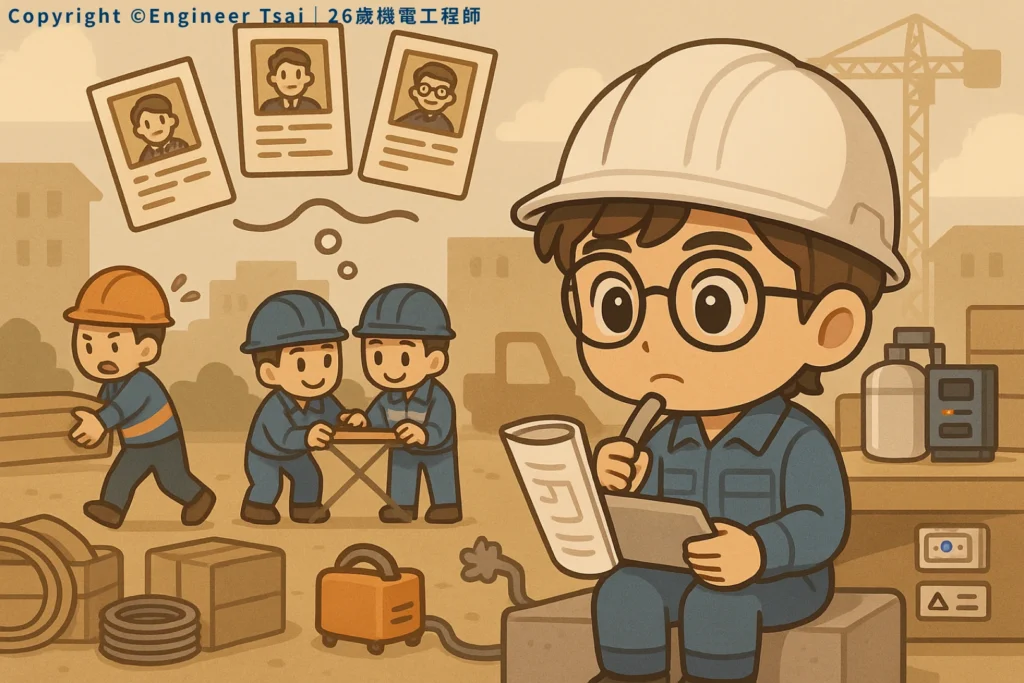
🔧 The real question isn’t “Is this person good enough?”
It’s: “Are they in the right role right now?”
You’ve probably heard conversations like this:
“That person looked pretty capable, but ever since they joined our team, something just feels off.”
“She’d been stuck for years in her old company. Then she switched teams and suddenly she’s a star.”
Often, it’s not that the person changed. It’s that the role, rhythm, and expectations changed.
It’s just like NBA players who get traded. Most of them aren’t bad at basketball. They just never fit the system they were in. The team configuration never really took their style into account.
👉 On the project side, it’s the same pattern on U.S. job sites, in engineering firms, and in startups:
- A new hire is full of energy, but you drop them into the messiest, most outdated part of the process. Their confidence is gone after week one.
- A senior teammate looks “steady,” but they’ve quietly checked out. They only do their tiny slice, and drift further away from the rest of the team.
🔍 What a manager really needs to do is not “keep adding more people,” but first understand the relationship between team configuration and the actual work:
Who should be on the front line taking hits? Who’s best at stabilizing the middle? Who should be in a connector role – translating between engineering, clients, and operations?
If you like management theory, this is close to what places like Harvard Business Review describe as getting “the right people in the right seats” before you chase more growth.
🛠️ Hiring isn’t about the strongest person – it’s about the best fit
There’s a classic NBA phenomenon: “You buy stars and still lose games.” You sign a big-name player… and somehow the whole team plays worse.
You see the same thing in real-world team configuration – on job sites, in design offices, and inside tech teams:
- You bring in a “technical rockstar” to save a struggling project. Suddenly the original engineers stop speaking up. Everyone waits for the rockstar to decide, and progress slows instead of speeds up.
- You hire a project manager, but never adjust structure or decision rights. You end up with a two-headed leadership situation where no one knows who to listen to.
⚠️ So the key question in team configuration isn’t “Who should we hire?” It’s asking this before you add anyone:
- Will this person make the entire workflow smoother – or just patch one tiny corner?
- Will the existing team actually play well with their rhythm, or will it create resistance and dead zones?
- Is this headcount a real structural need, or am I just trying to calm my own anxiety by adding another person?
No one else can answer these honestly for you.
This is the inner work of a manager or owner who takes team configuration seriously – not just collecting more people.
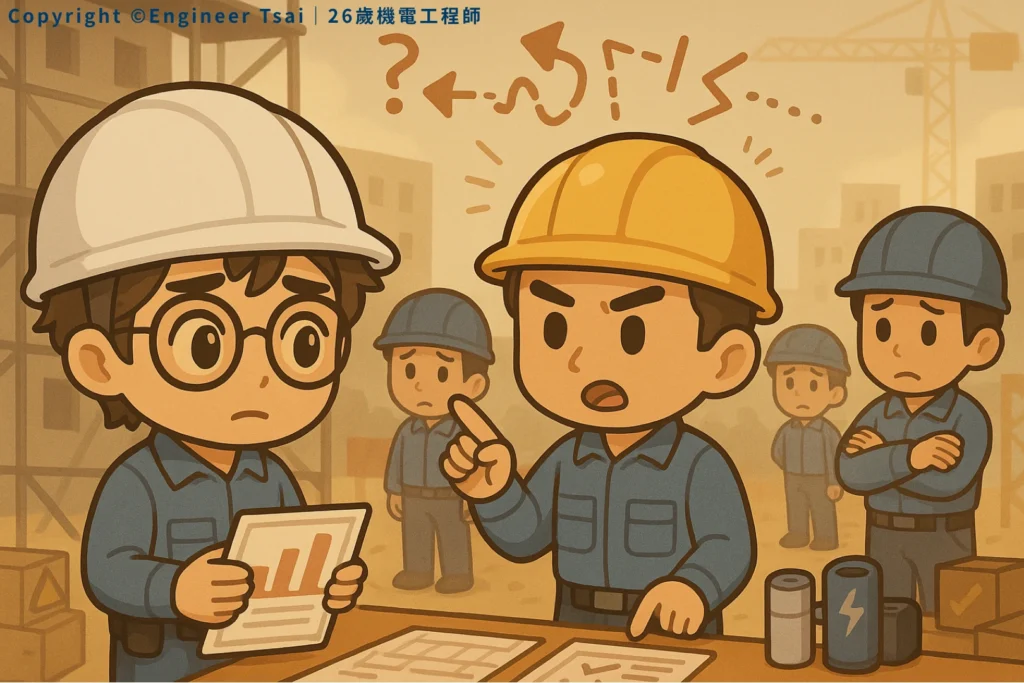
🧩 The rhythm of management:
making the right change at the right time matters more than anything
Sometimes you move too early and the team isn’t ready. Sometimes you move too late and the problem has already hardened into culture. At that point, swapping people in and out doesn’t fix much – the team configuration itself is broken.
I once watched this play out at an automation equipment company:
A major project was already two weeks behind schedule. The person in charge was getting hammered in every meeting, and everyone kept repeating the same thing:
“We need to add more people.”
So the company did exactly that – they added two contractors to the team.
What actually happened? The one engineer who understood the whole system best suddenly had to train the new people, double-check their documents, and babysit handoffs and approvals. The team slowed down even more, and they lost another full week.
So how did they fix it? Not by adding more bodies, but by changing the team configuration itself:
They pulled that integrator-type engineer out of detailed task work and put them in charge of scheduling, coordination, and taking the hits from stakeholders. Other engineers suddenly had fewer interruptions and more uninterrupted blocks of time to actually build and debug.
The rhythm of the team stabilized, and the schedule slowly came back.
💡 The real point:
Management isn’t about solving a pile of tiny problems. It’s about redesigning the system they keep falling out of.
Instead of asking “Do we need another person?” every time something breaks, start from a team configuration viewpoint:
- Which workflow could be simplified?
- Which role needs to move seats?
- Which process should we just kill and rebuild?
If you want more tools for mapping work and spotting bottlenecks, check out the free plays in the Atlassian Team Playbook – many of them work surprisingly well even on construction or field teams, not just software.
🧠 If you’re a manager/PM/lead, start with these 3 questions
- Is my team missing skills, or missing connection?
Is it that nobody knows how to do the work – or that everyone is doing their own thing with no real coordination? - Do some people really need to be replaced, or just moved?
Maybe they’re burned out in one role but would thrive if you changed their responsibilities or who they work with. - Am I hiring to fix a structural problem, or just to quiet my own stress?
If you’re honest, sometimes “We must hire” really means “I don’t know how to redesign this system, so I hope one more person will absorb the chaos.”
There are no perfect answers. But if you pause and think about team configuration every time you talk about replacing someone or hiring again, your decisions will already be clearer than they were yesterday.
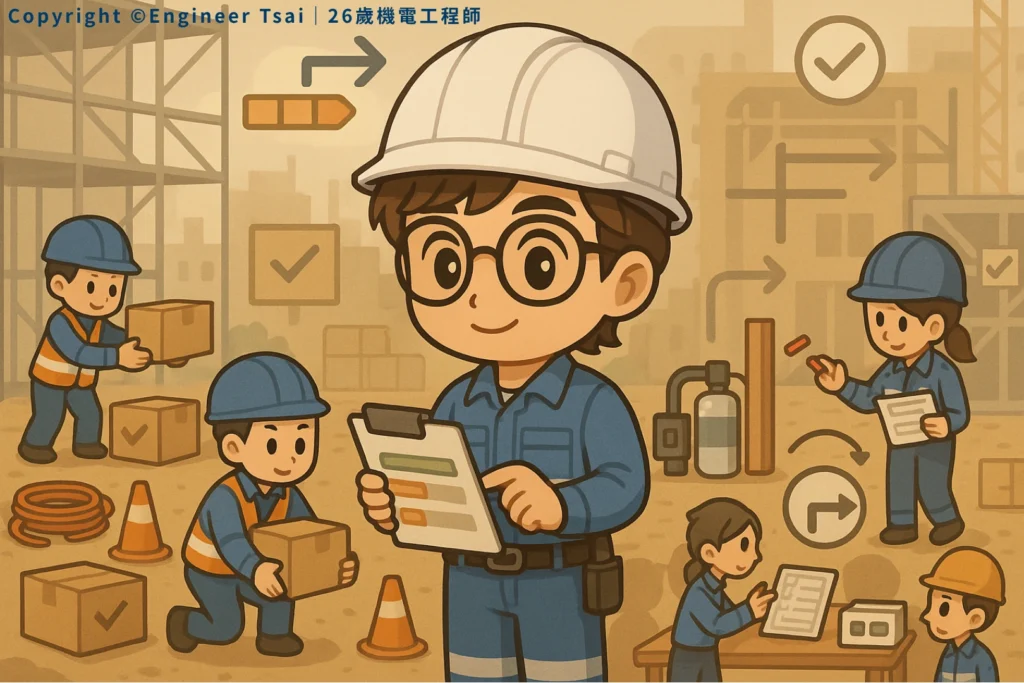
🏁 Conclusion: teams that win and teams that deliver share the same core
“See people clearly. Understand the rhythm. Adjust the system.”
Whether you’re a brand-new manager leading a small crew, or a veteran who’s been around job sites and projects for years, if you’ve ever stayed up worrying about:
“Should I replace this person or give them another chance?”
The biggest risk isn’t choosing the wrong person – it’s never really seeing the rhythm and breathing of your whole lineup.
That’s what good team configuration protects you from.
📣 If you like real-world, observation-based leadership content
Stick around.
We’ll practice together – how to think about management, how to build better team configurations, and how to make each project feel less like constant firefighting and more like a game you actually prepared for.
Team Configuration FAQ
If you’re new to the idea of team configuration, these common questions will help you turn the concept into real decisions on your team.
Q1: What is “team configuration”? Isn’t it just assigning tasks?
A: Not really. Team configuration is more than “who does which task.” It’s about putting the right people in the right roles, with the right rhythm and communication patterns. Who makes decisions, who integrates across functions, who sprints, and who stabilizes the baseline – all of that is part of your team configuration.
Q2: When should I hire more people vs. fix the structure first?
A: A simple test: draw out your workflow. If you see lots of people piling up at the same bottleneck, that’s usually a structure problem. If the work truly exceeds what your current people can handle and the process is already lean, then hiring makes more sense. First ask: If I re-arranged the same people, could things run smoother? If the answer is “yes,” you’re not yet at the “we absolutely need another person” stage.
Q3: I’m a lower-level supervisor with no headcount control. What can I do?
A: You still have room to influence team configuration within your lane. You can change shift or station assignments, free key people from low-value admin tasks, or put your best communicators in front of customers or cross-team meetings. Once you show that small configuration changes improve flow, your boss stops seeing you as “just an executor” and starts seeing you as someone who can think about the system.
Q4: We’re always firefighting. How do we find time to rethink team configuration?
A: The more you’re in firefighting mode, the more important it is to step back – even for 30 minutes – to look at the whole picture. You don’t have to overhaul everything at once. Start with one clogged process. Pull out one or two steps, adjust who owns them, or change the timing. Often, improving just one key node makes the whole line feel lighter.
Q5: Won’t changing roles or moving people hurt feelings? How do I talk about it?
A: Focus your conversation on the system, not the person. For example: “The way things are set up now, you keep getting pulled into a hundred tiny things. I’d like to try a different setup so you can focus on the work you’re best at.” You’re not saying “You’re not good enough.” You’re saying, “You’re too important to be stuck in this mess. Let’s find a spot where you – and the whole team – can perform better.”
📌 Further reading:
🔹 Coming soon – “Great skills ≠ Great teammate: What job sites teach us about using the wrong people in the wrong roles.”
→ Why top performers sometimes drag a team down when the team configuration is wrong, plus real cases from engineering and construction.
🔹 Coming soon – “Why your team is always behind: It’s not just headcount – it’s rhythm and configuration.”
→ If your team is always working late and still missing deadlines, the problem might be your lineup and rhythm, not how hard people work.
🔹 Coming soon – “How to onboard new people without slowing everyone else down: 3 practical ways to configure your team for learning.”
→ New hires don’t have to tank your velocity. Learn how to set up roles, buddies, and buffers so the team keeps moving while people ramp up.
🔹 Home Electrical Tools for Beginners: 5 Essential Tools to Handle Simple Problems
→ Not from the team configuration world, but if your background isn’t in engineering and you want to get more comfortable with basic tools and simple electrical work, this is a good place to start.
Read next in this topic
- Your First Major Electrical Failure – Do You Remember How It Felt?
- Why “It’s Easy, Right?” Makes Every Engineer Cringe
- Smart Warehouse Automation: The Complete 2025 Guide for Decision-Makers
- What Construction Work Teaches About Patience, Progress, and Personal Growth
- 10 Construction Site Safety Mistakes That Drive Every Pro Crazy (and How to Fix Them)
- Smart Warehouse Field Engineering Made Easy: 2025 Guide for Engineers
- How to Spot (and Stop) Unsafe Behaviors on Your Crew
- Field-Proven Tips for Successful MEP Integration—From Planning to Inspection
- New Engineer Afraid of Making Mistakes? How to Turn Jobsite Anxiety into Growth
- Top Material Handling Mistakes And How To Fix Them On The Jobsite
- Why Great Employees Fail in the Wrong Roles—NBA-Style Insights
- The Truth About Blueprints: Field Fixes Every Pro Should Know