On this page
Table of contents

If you’re still exploring whether the electrical trade is right for you, start with the full overview: 🔹 “U.S. Electrician Career Guide: Training, Licensing, and Your First 12 Months”
Reading that first will make today’s topic easier to understand.
AI and IoT in construction – if you work on a jobsite today, you’re probably hearing those words more and more.
You might hear things like:
“In a few years, won’t AI and all these devices replace field engineers and trades like us?”
Or: “We installed all these sensors and analytics tools – are they actually helping, or just giving us more dashboards?”
You’re not alone if you’re unsure. If you’ve spent any time on site, you’ve probably seen the digital wave slowly change how the jobsite works:
Sensors replacing manual readings, smart hard hats tracking whether people are clipped in, punch walks recorded in apps instead of on paper, even material receiving done with barcodes instead of clipboards.
You’ve probably seen senior folks roll their eyes – or maybe you’ve asked yourself quietly: “Is any of this really better?”
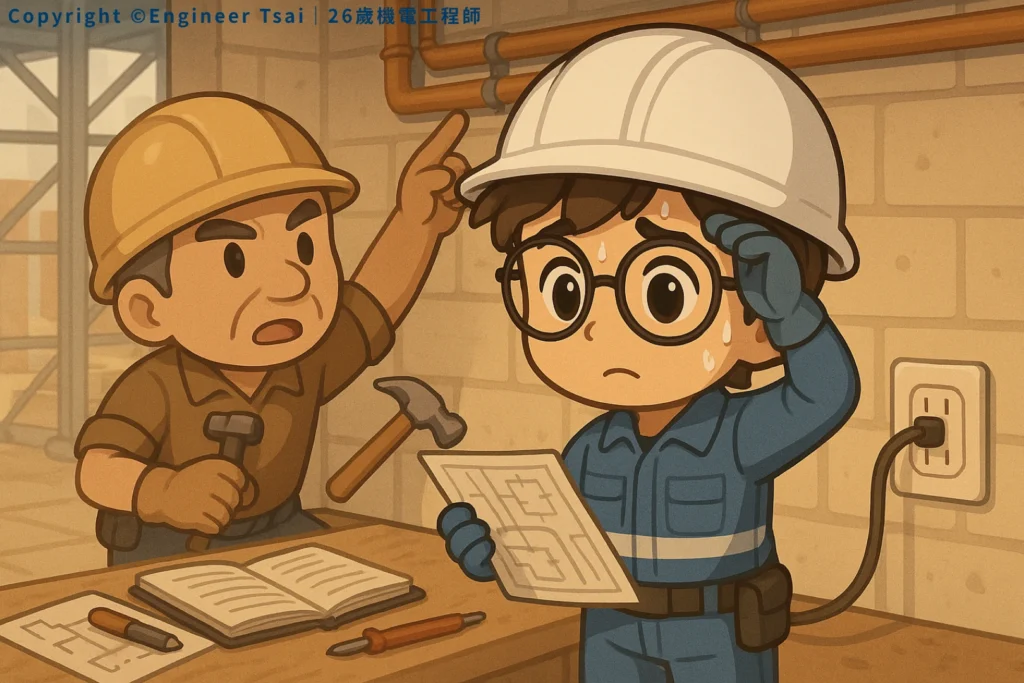
Is Your Construction Career Still Safe Using Old-School Methods?
Simply put, this article is here to help you figure out whether AI and IoT in construction are here to steal your job – or to help you upgrade what you do on site.
Past: Relying on Experience, Manpower, and Gut Feel
For decades, the strongest superpower on site was this: one person who could “see the problem at a glance.”
You’ve probably seen a scene like this: a superintendent walks into the area, taps a beam twice, looks up for three seconds – and somehow knows exactly what’s wrong.
That sort of judgment is real and valuable. But as projects get larger, schedules tighter, and systems more complex, relying only on experience sometimes just isn’t fast enough.
One sentence worth keeping:
Your experience is precious – but digital tools let you turn that experience into something systematic, scalable, and shareable, so new team members can carry the torch instead of everyone waiting for “that one person” to show up and put out the fire.
Now: AI and IoT Are New Assistants on the Jobsite, Not Your Enemies
Over the last few years, more and more U.S. construction sites have started using “smart sensors,” “AI video analytics,” and “jobsite IoT platforms.”
For example:
- Using IoT sensors to monitor temperature, humidity, vibration, or gas leaks – and sending alerts when something goes out of range.
- Scanning barcodes or RFID tags when materials arrive, then matching them against delivery tickets to reduce human error.
- Letting AI watch cameras to flag safety issues (no hard hat, wrong zones, blocked exits), so the system “watches the site” 24/7.
A simple experiment you can try:
On your next job walk, try switching to a “phone + app” workflow: take photos, add quick notes, and push everything to a shared jobsite folder or app.
Do it once and you’ll see the difference: instead of three separate paper forms that disappear two days later, you have one clean record, saved instantly, ready to turn into a report.
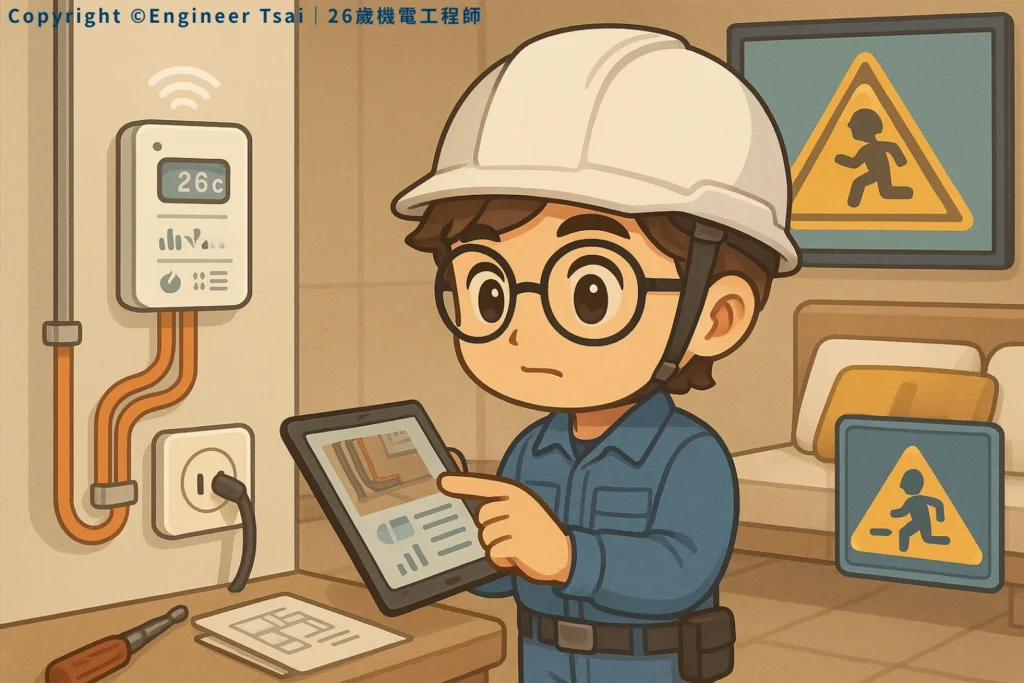
A New Direction for Construction Pros: From Manual Work to Decision-Making
Think back to the first time you used a laser distance meter, or built an Excel sheet that automatically generated your progress curve.
That little moment of “Wow, I don’t have to do this the hard way anymore” is exactly what AI and IoT in construction can give you – but at a bigger scale.
They’re not just there to save a few steps. They’re here so field people can play a bigger role in decisions, instead of getting stuck in the same repetitive tasks every single day.
This part is worth remembering:
- A good jobsite app can pull materials, schedule, safety, and quality data into one place.
- With that data in hand, you can talk to owners, designers, inspectors, and GCs using facts instead of just gut feel.
- People who only bring manual labor will slowly get pushed to the edges; people who can connect data, field reality, and good judgment will be the hardest to replace.
Action Plan: 3 Ways to Become the Most In-Demand Person on the Jobsite
1. Proactively Learn One or Two New Digital Tools
Don’t wait for the company to force a new system on you. Start with tools that fit your daily work: a simple jobsite app, a basic project management platform, or cloud spreadsheets and forms.
Field tip: on your next inspection, use your phone to take photos, upload them to a shared cloud folder, and add notes with floor, zone, and date. The next time you need to look back, you won’t be digging through endless group chats.
2. Get Comfortable Working with IT, Management, and Design
On a digital jobsite, solo hero work doesn’t scale. Many “impossible” problems aren’t technically impossible – they’re just unclear because nobody explained the field needs properly.
For example: if the electrical contractor spends an afternoon with IT walking through smart meters, sensor locations, and network routes, later billing, troubleshooting, and energy analysis all become easier – for years.
3. Practice Reading the Data, Not Just Collecting It
The future of AI and IoT in construction isn’t about who has the most impressive system – it’s about who can look at the data and see what it means for the work.
Spend 10 minutes a day with a simple report: which area keeps falling behind, which defect shows up again and again, which zone triggers the most safety issues? Then write down what you’d change based on that.
Keep doing this and you’ll notice something: your manager starts asking, “Does this sequence actually make sense?” or “If we move this crew here, what do you think will happen?”
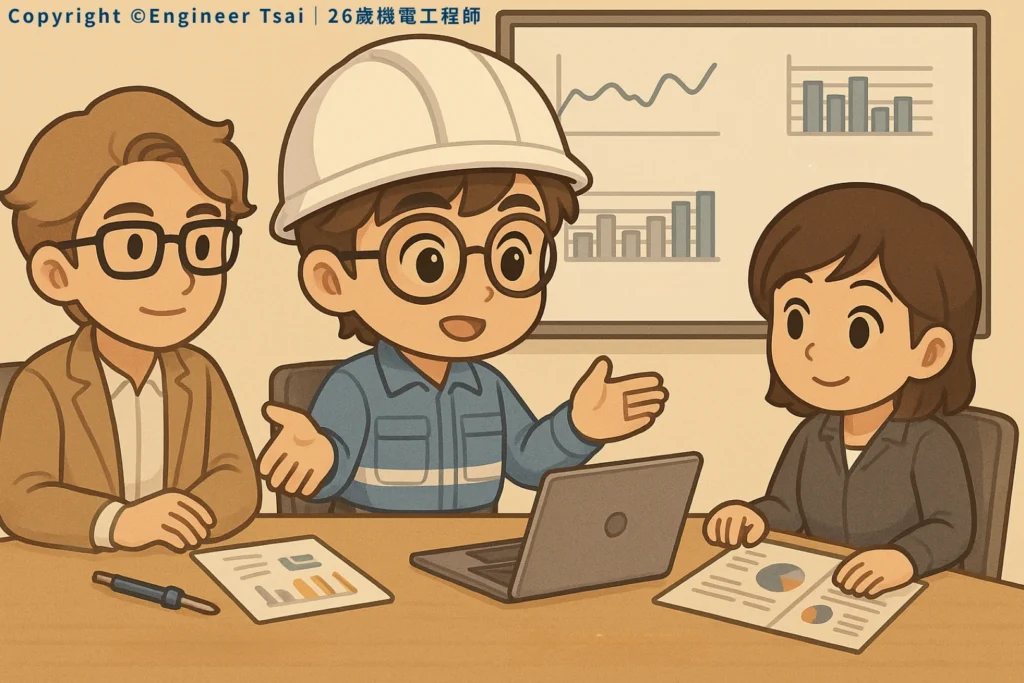
🚧 Common AI and IoT Headaches on Construction Sites
- Unstable networks and sensors going offline so often that someone still has to redo everything by hand?
- Lots of data and dashboards, but owners and supers don’t look at them – they just say, “You tech people sure love your screens”?
- Old and new systems that don’t talk to each other, so the “time-saving” upgrade actually creates more rework?
Key reminder:
“The future jobsite won’t just reward people who can work hard. It will reward people who understand digital tools, collaboration, and judgment.”
Your Next Move
Have you intentionally learned any new digital tools in the past year?
Have you seen AI and IoT on your jobsite and thought, “That’s not my world,” or “Maybe I should understand this better”?
When something goes wrong, are you the person with clear records and data – or the person trying to remember what happened from memory?
If you like this kind of “from the jobsite, looking toward the future” perspective, hit follow. I’ll keep sharing real stories and practical tools to help you turn everyday field experience into long-term career advantage.
Over the next few years, if you consistently pair your field experience with AI and IoT in construction tools, you won’t just “keep up with the trend” – you’ll have a real chance to become one of the people leading it on your projects.
AI and IoT in Construction – FAQ
If you’re still on the fence about whether to lean into AI and IoT in construction, here are some of the questions I hear most often on site – all in one place so you can think them through.
Q1: Will AI and IoT in construction actually replace field engineers and trades?
A: The most likely people to be replaced are those who only do repetitive tasks and refuse to learn new tools. The hardest people to replace are the ones who understand the work on site and use digital tools to organize information, spot risks early, and make better decisions. AI can watch cameras and crunch numbers, but there is no system today that can fully replace a superintendent or field engineer who understands methods, coordination, and people.
Q2: I don’t code and only use basic apps. Can I still keep up?
A: Yes. Most AI and IoT in construction systems don’t require you to write code. What matters is that you can take photos, upload them, tag basic information, and read a simple dashboard. If you can do that – and connect it to what’s really happening on site – you’re already ahead of many people who still rely only on paper and memory. When real programming is needed, IT or the vendor usually handles it.
Q3: My company is very traditional and hates new systems. Is it still worth learning this?
A: That’s exactly when it’s worth learning. Culture change is slow, but you can start with your own work: use a cloud spreadsheet to track issues, keep photos in a shared folder, and make a simple chart that shows recurring problems or delays. When people see that working with you means clearer information and fewer surprises, you naturally become one of the people who can lead future AI and IoT adoption.
Q4: I’m already working overtime. How do I make time to learn new tools?
A: You don’t need to learn everything at once. Start by taking something you already do and shifting it into a more digital, structured form. For example, turn your daily walk-through notes into a quick online form, or spend 10 minutes at the end of the day organizing photos and tagging locations. The goal isn’t fancy tech. The goal is to free up your time and mental energy from repeat work so you have space to think and grow.
Q5: If I can only invest in one direction for the next 3–5 years, what should I focus on?
A: Aim for a three-part combo: one practical digital tool (like a jobsite app or cloud spreadsheet), one trade or specialty you work with the most (for example electrical, mechanical, or low-voltage), and basic data-reading skills. When you can explain what the data from AI and IoT in construction actually means for safety, schedule, and quality, your role on the project becomes much harder to replace.
📌 Further reading:
🔹 OSHA – Construction Industry Safety & Health
Official U.S. guidance on construction safety, including fall protection, electrical safety, PPE, and more – a solid reference when you’re thinking about how AI and IoT tools fit into real-world safety practice.
🔹 From Drawings to Reality: Lessons from MEP Coordination on Site
Why the drawings always look perfect but the ceiling ends up crowded, and how coordination, communication, and digital tools each play a role in keeping systems from fighting each other.
🔹 Jobsite Safety Playbook: 5 Everyday Habits Every Construction Pro Should Know (coming soon)
From traditional safety practices to smart wearables and real-time alerts, we’ll put together a “self-protection checklist” that makes technology your safety assist – not another source of stress.
Read next in this topic
- Electrolysis and Electroplating Explained: How Electric Current Changes Metals in Everyday Life
- Middle East Conflict and the Semiconductor Supply Chain: How It Hits Your Fab, Your MRO Budget, and Your Career
- AI and IoT in Construction: How to Turn Jobsite Tech into Your Career Advantage
- Should You Become an Electrician in the Age of AI?Why I’m Helping People Make the Switch
- 3–12 Months from Zero: A Realistic Roadmap to Switching Careers into the Electrical Trade
- When Cloudflare Went Down, One Thing Became Clear: Why I Help People Become Electricians in the AI Era
- Electrician Career Path USA: 0–12 Month Roadmap for Career Changers
- Electrician Career Paths in the AI Era: 5 Routes and a 0–12 Month Roadmap
- Electric Motors, Generators and VFDs: One Clear Picture from Electromagnetic Induction to Real-World Power Systems